ORTHONOVA 2026 was a national live surgery webinar held on Friday, 23 October 2026 (12:00–2:00 PM), in which Dr. Dhananjay Gupta performed a live Revision Total Knee Replacement and an Arthroscopic PCL Reconstruction alongside Dr. Anand Kr Gupta. The broadcast reached 32 centres across India, with 4,350 total registrations and 1,260 doctors participating live.
About ORTHONOVA 2026
ORTHONOVA 2026 was a national live surgical webinar held on Friday, 23 October 2026, from 12:00 PM to 2:00 PM. During the two-hour broadcast, Dr. Dhananjay Gupta — Senior Director Orthopaedics and Head of Unit of Joint Surgeries, Fortis Hospital, Vasant Kunj, New Delhi — performed two advanced procedures live: a Revision Total Knee Replacement and an Arthroscopic PCL Reconstruction.
He was joined by Dr. Anand Kr Gupta (MS Ortho, DNB Ortho, MRCS England; Fellowship in Hip & Knee Arthroplasty, Associate Consultant, Fortis Hospital), who moderated the session and interacted with the viewing centres while the surgeries were underway.
The response underlined how much demand there is for structured, real-time surgical education: 4,350 total registrations, 1,260 doctors participating live, and 32 centres connected simultaneously across the country.
The live surgeries: Revision TKR and Arthroscopic PCL Reconstruction
Live surgery is one of the most demanding formats of medical education — every step, decision and instrument choice is visible to the audience in real time, with questions answered as the operation proceeds.
The two procedures chosen for ORTHONOVA 2026 represent two very different ends of advanced knee surgery: revision joint replacement, where a previously implanted artificial knee is replaced, and arthroscopic ligament reconstruction, a keyhole procedure to restore knee stability.
What is Revision Total Knee Replacement?
Revision total knee replacement is the replacement of an artificial knee joint that is no longer functioning well. Common reasons include loosening of the implant over time, wear of the plastic liner, infection, instability or a fracture around the implant.
Revision surgery is more complex than a first-time knee replacement: the old implant must be removed safely, bone loss has to be reconstructed, and specialised revision implants with stems and augments are often needed. It demands careful pre-operative planning and significant surgical experience — which is exactly why it was selected as a teaching case for a national audience.
What is Arthroscopic PCL Reconstruction?
The posterior cruciate ligament (PCL) is one of the main stabilising ligaments of the knee, most often injured in road traffic accidents (a 'dashboard injury') or sports trauma. When the PCL is torn and the knee remains unstable, the ligament can be reconstructed using a graft.
Arthroscopic PCL reconstruction is performed through small keyhole incisions using a camera. The torn ligament is replaced with a graft passed through precisely placed bone tunnels — a technically demanding procedure because of the PCL's position at the back of the knee, close to important nerves and blood vessels.
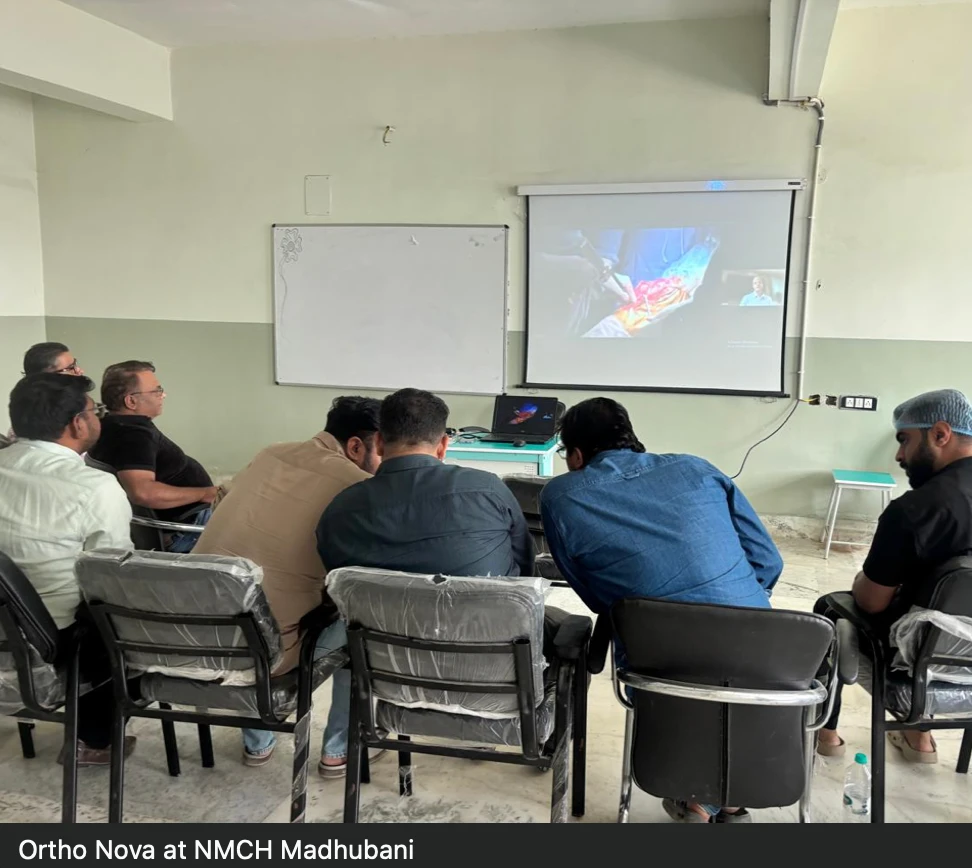
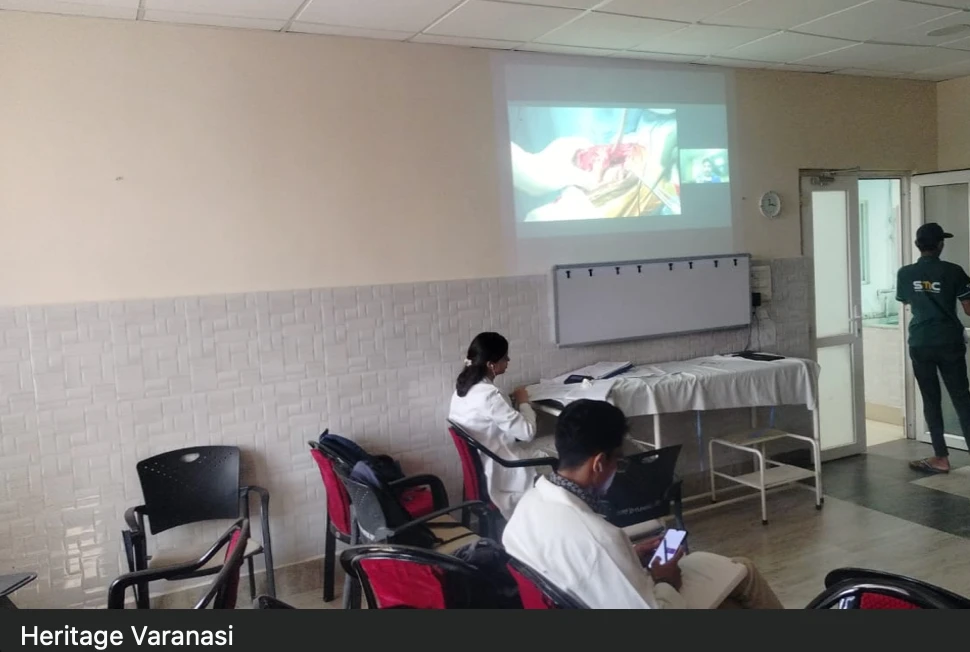
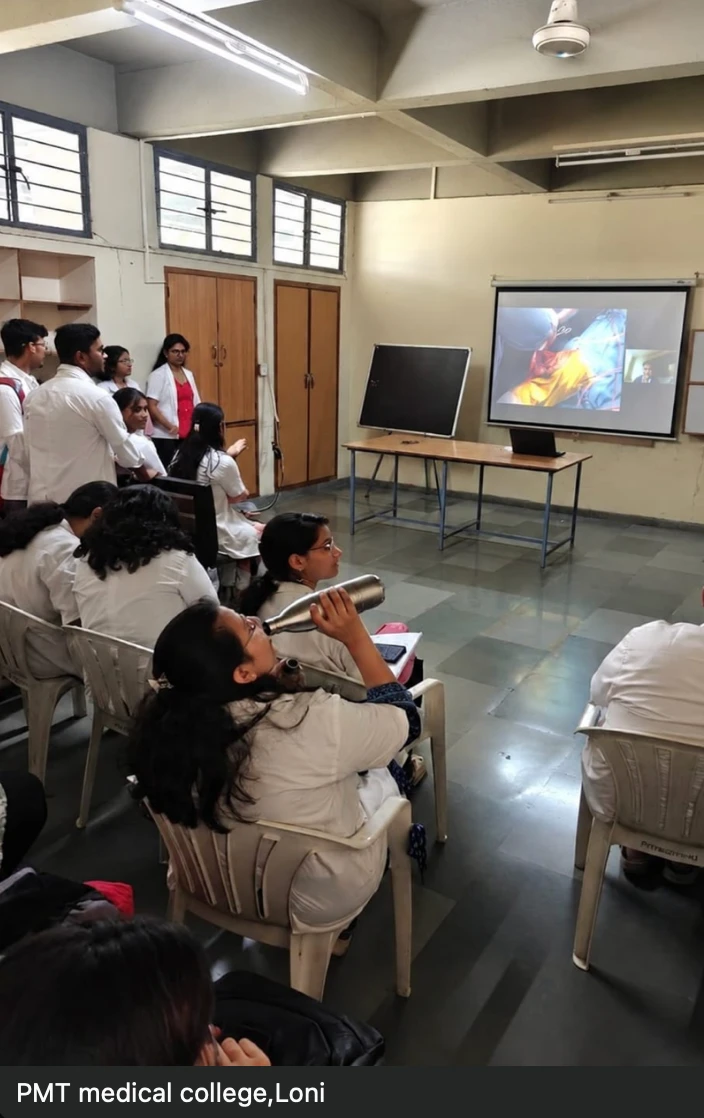
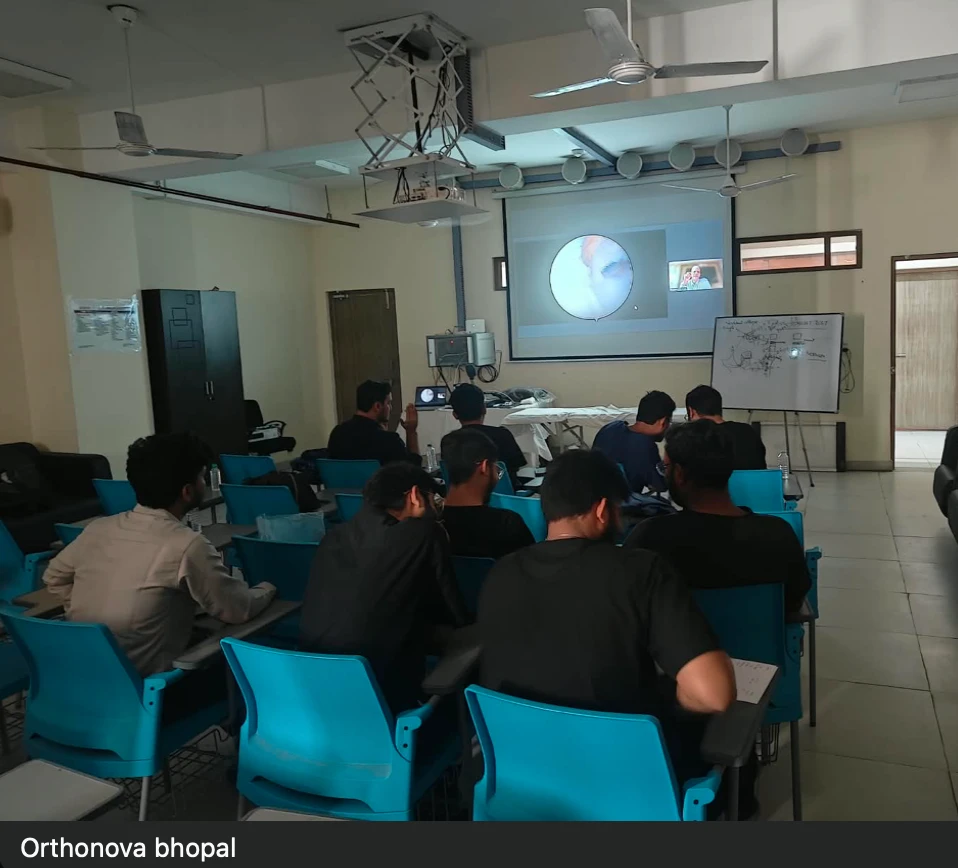
32 centres connected live across India
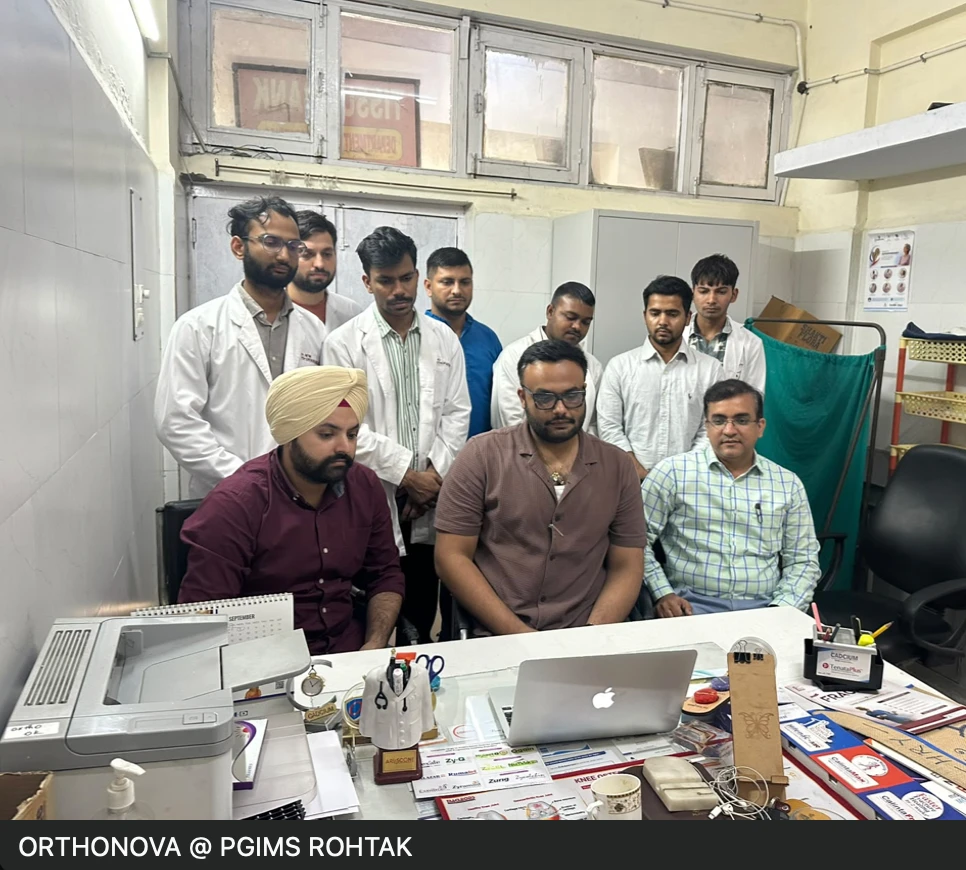
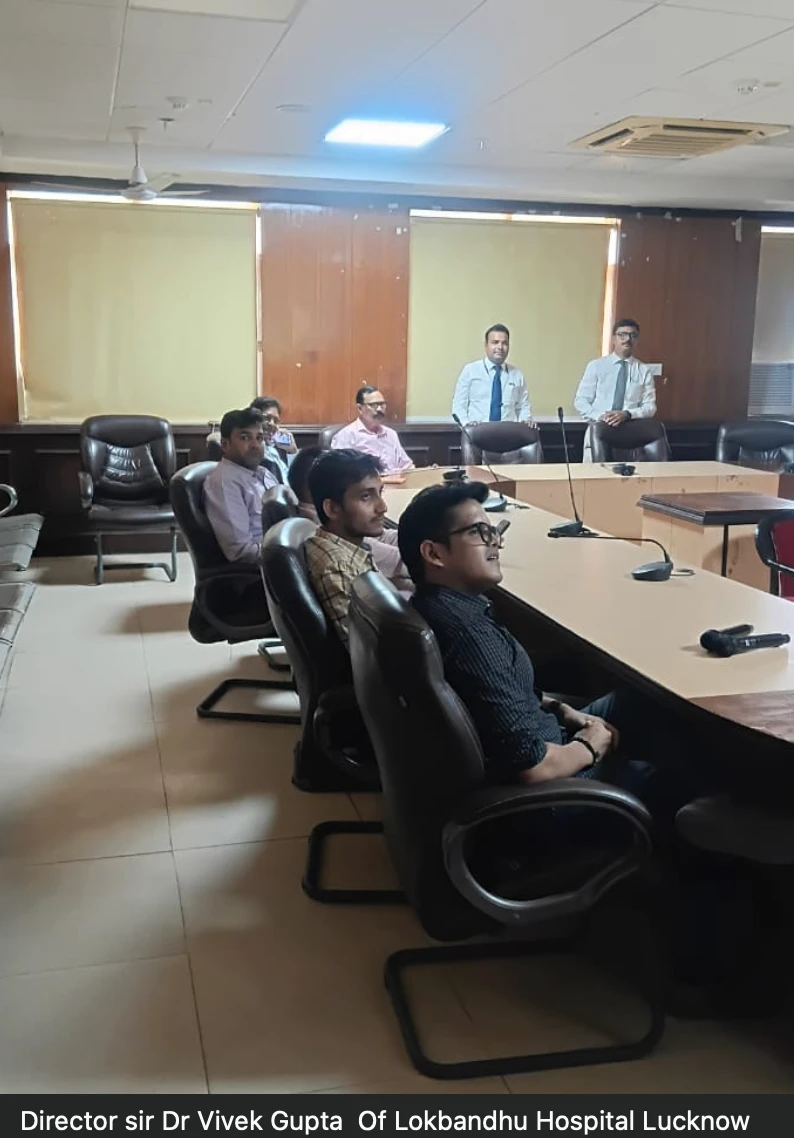
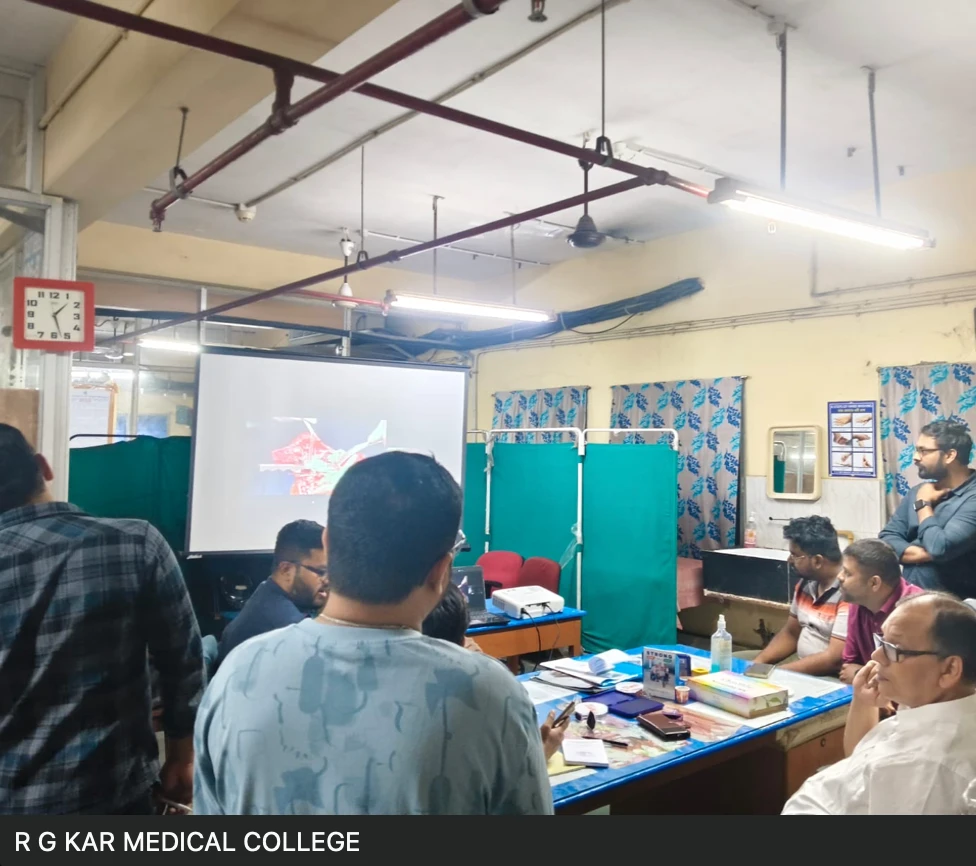
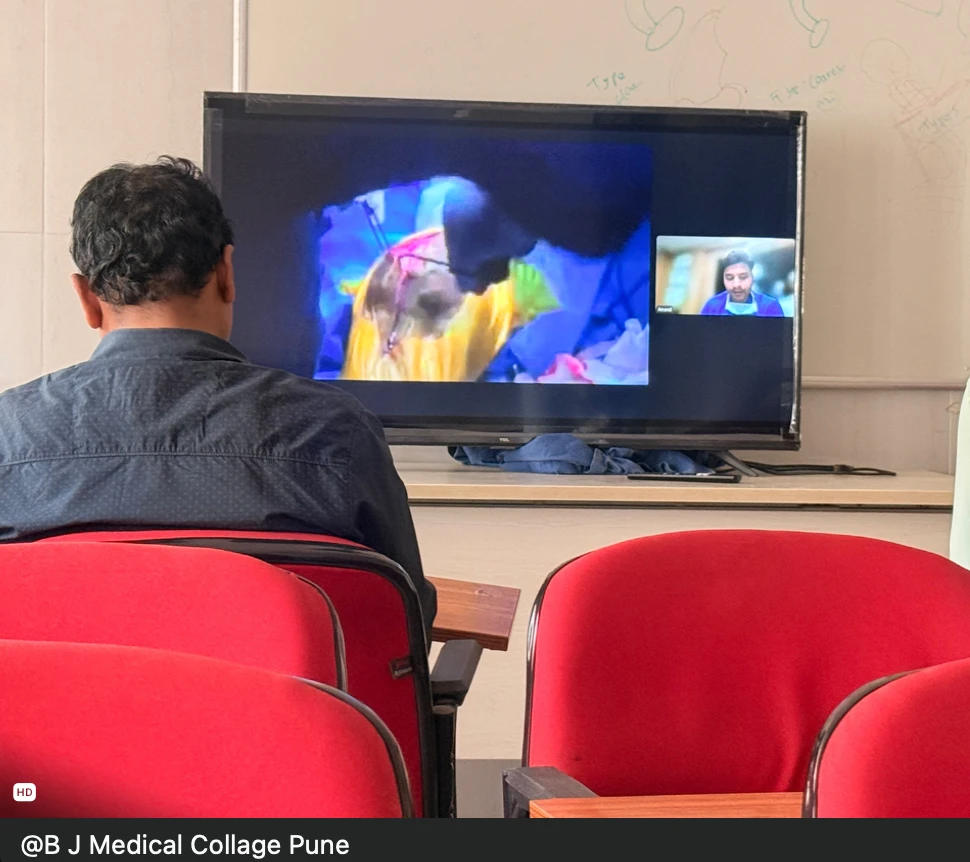
Medical colleges, teaching hospitals and orthopaedic departments from across the country joined the broadcast, with residents, consultants and faculty watching and interacting in real time. The centres connected live included:
- PGIMS, Rohtak
- Lokbandhu Hospital, Lucknow — joined by Director Dr. Vivek Gupta
- R G Kar Medical College, Kolkata
- B J Medical College, Pune
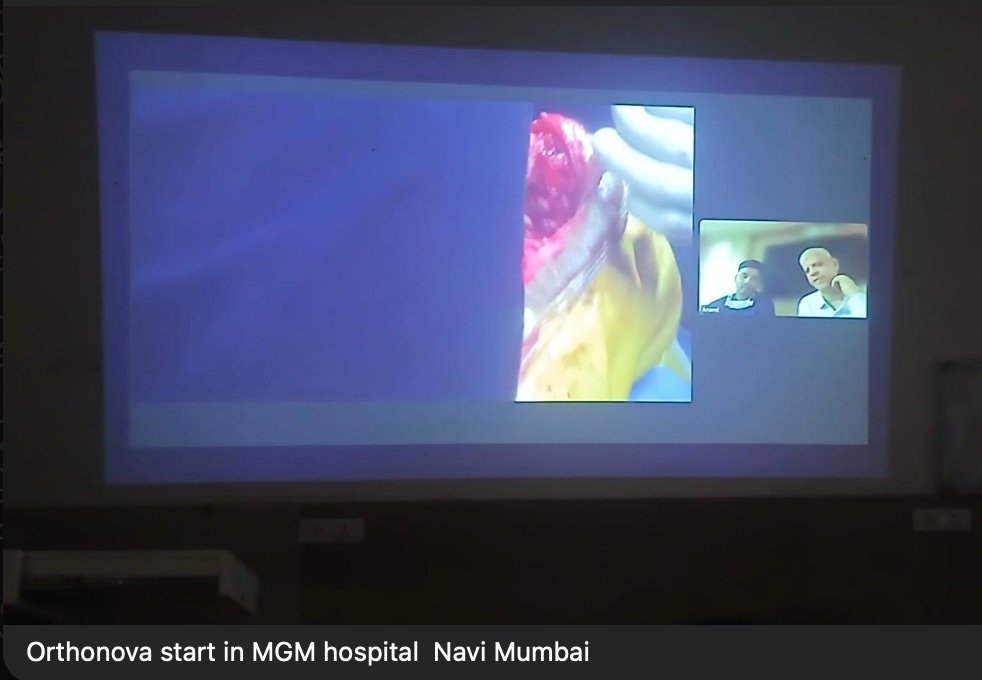
- MGM Hospital, Navi Mumbai
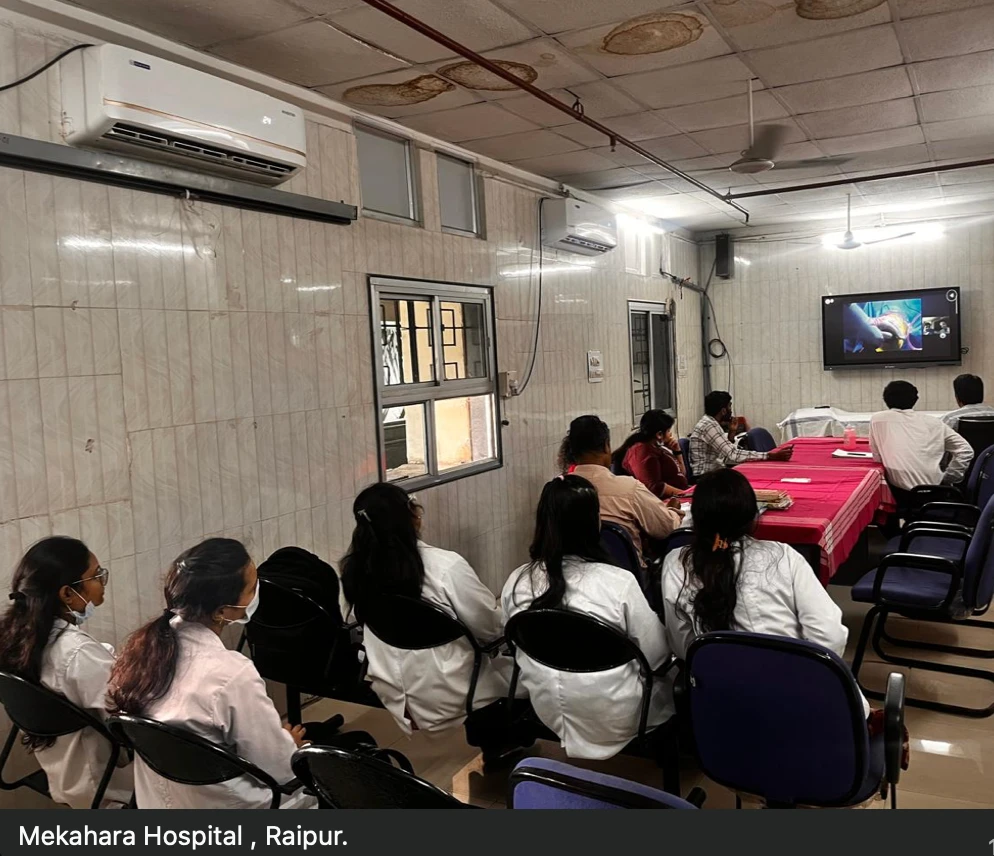
- Mekahara Hospital, Raipur
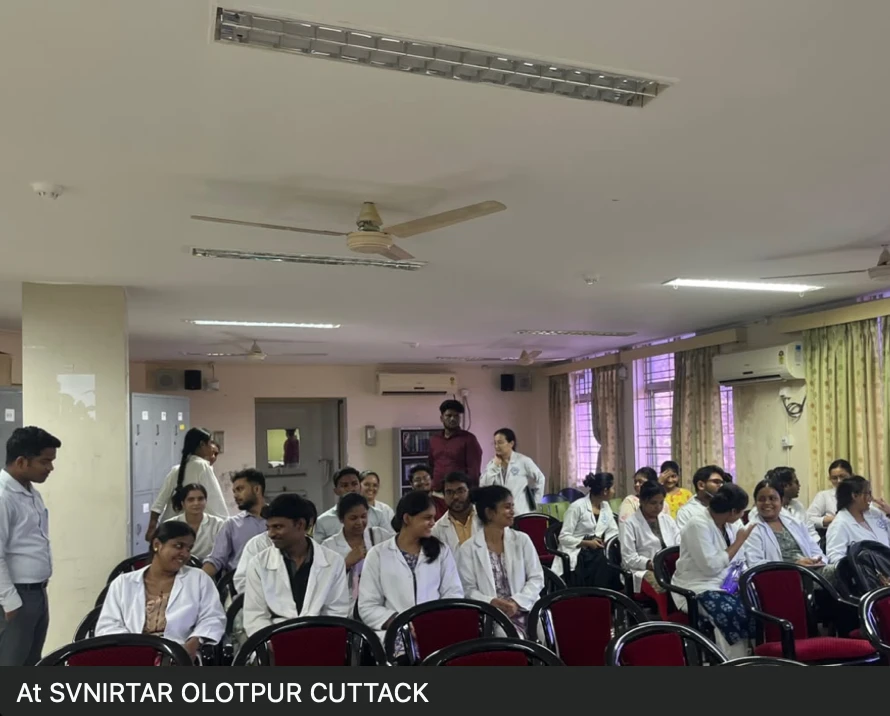
- SVNIRTAR, Olatpur, Cuttack
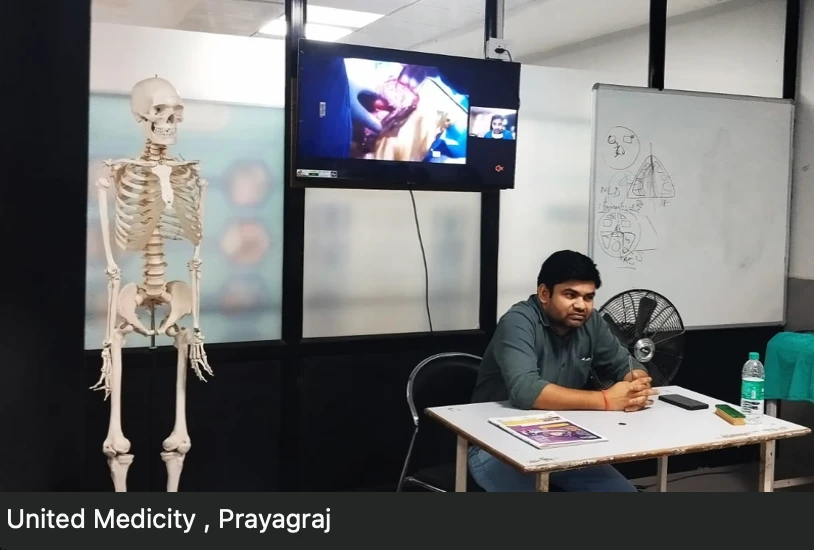
- United Medicity, Prayagraj
- NMCH, Madhubani
- Heritage Institute of Medical Sciences, Varanasi
- PMT Medical College, Loni
- Centres in Bhopal and many more teaching hospitals across India
Why live surgical education matters
Textbooks and recorded videos teach technique, but live surgery teaches judgement — how a surgeon responds when anatomy is distorted, when bone quality is poor, or when the plan has to change mid-operation. For postgraduate residents and young consultants, watching complex cases live, with the ability to ask questions, compresses years of learning.
For patients, initiatives like ORTHONOVA ultimately mean better care: the techniques demonstrated — precise revision knee reconstruction and modern arthroscopic ligament surgery — spread to hospitals across the country, raising the overall standard of orthopaedic treatment.
Dr. Dhananjay Gupta remains committed to surgical education and knowledge-sharing, and ORTHONOVA 2026 reflects that ongoing commitment to training the next generation of orthopaedic surgeons in India.